.png)
Lash Cleansing vs. Traditional Makeup Removal: Which Is Better for Allergy Relief? Here's everything you need to know
Updated: Jul 18
Expert analysis on reducing eye irritation through proper hygiene protocols and product selection
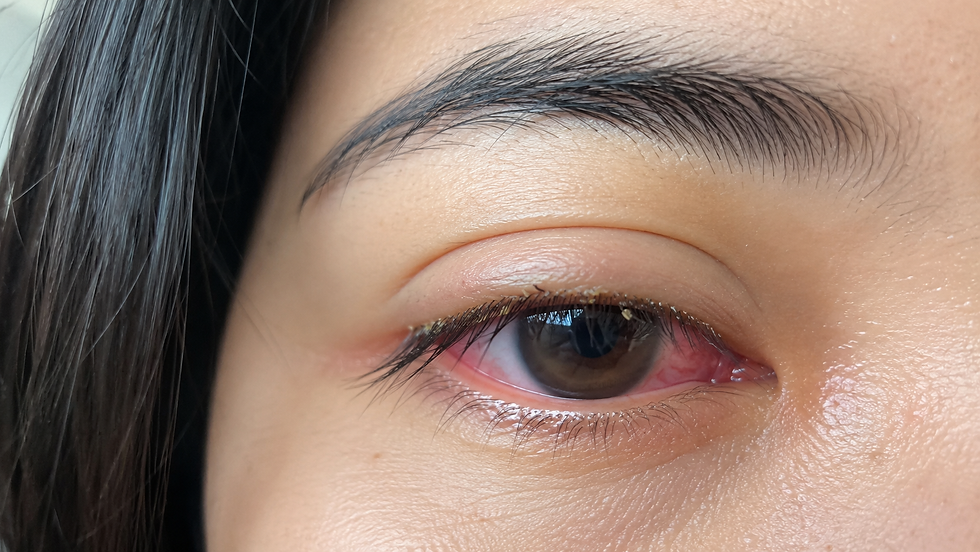
Lash cleansing with a dedicated, pH-balanced foam cleanser is the superior method for allergy relief compared to traditional makeup removal. This approach effectively removes trapped pollen, dander, and environmental debris from the lash line, whereas traditional wipes or micellar water often leave residues that trap allergens against the eyelid. Many lash professionals recommend cleansing the lashes daily, and more frequent cleansing may be beneficial during allergy season or after significant outdoor exposure.
The Mechanics of Lash Hygiene and Allergen Management
Lash cleansing involves the use of specialized, oil-free foaming cleansers designed to penetrate the dense structure of lashes without disrupting bond integrity. Unlike traditional makeup removal, which relies on physical wiping, lash cleansing uses a gentle, surfactant-based approach to lift debris from the follicle.
The Role of pH-Balanced Cleansers
Industry standards mandate the use of products with a pH between 6.0 and 7.0 to match the skin's natural mantle. According to ophthalmic dermatologists, maintaining this balance prevents the sensitization of the delicate skin surrounding the eye, which is the primary site for allergic contact dermatitis.
The Mechanical Removal Process
Spend about 30 seconds gently cleansing each eye, taking enough time to work the cleanser through the lash line. Traditional removal methods frequently drag allergens across the lid, increasing contact time.
Professional protocols emphasize a top-down circular motion, which effectively dislodges microscopic allergens that standard cloth wipes fail to capture.
Industry best practices suggest that individuals suffering from seasonal allergies replace standard wipes with dedicated lash brushes to prevent debris accumulation. This transition effectively reduces the risk of blepharitis for those with high sensitivity to environmental pollutants.
Variable Cleansing Requirements
The intensity of the cleansing process depends on the presence of extensions. Those with natural lashes can utilize a rinse-only method, but individuals with semi-permanent extensions must use a cleansing kit to prevent the accumulation of oils that bind to pollen.
By prioritizing a rinse-based approach, you ensure that allergens are flushed away from the ocular surface rather than smeared into the lash root, which is a major factor in reducing daily irritation.
Factors Affecting Allergy Relief Success
Cleanser Formulation
The chemical composition of your cleanser is the primary determinant of relief. Using alcohol-based or heavily fragranced removers can trigger an inflammatory response. Clinical guidelines suggest that switching to an oil-free, tea tree-based, or neutral cleanser may help reduce irritation associated with contact dermatitis
Application Technique
The physical act of cleaning matters as much as the product. Dragging cotton pads against the lash line can trap particulates deep within the follicles. Using a soft, synthetic brush to gently work a foam cleanser into the lash bed is the only way to ensure deep cleaning.
Frequency of Exposure
High-pollen environments necessitate increased frequency. If you spend significant time outdoors, cleaning your lashes upon reentry reduces the total allergen load.
Industry data indicates that twice-daily cleansing is generally more effective at preventing breakthrough allergy symptoms than once-daily routines.
Water Temperature
Using lukewarm water is essential for optimal results. Hot water can strip the skin of its protective barrier, while cold water may fail to emulsify oils where allergens hide. Consistent temperature control helps maintain the eyelid's natural moisture balance.
Product Residue
Traditional makeup wipes often leave behind surfactants and preservatives that attract new dust throughout the day. Proper rinsing after cleansing is a critical final step that many individuals overlook, contributing to many unresolved irritation complaints.
Lash Cleansing vs. Traditional Makeup Removal: Which Is Better?
When comparing efficacy for allergy relief, the distinction between a dedicated lash cleanser and a traditional makeup wipe is stark. While makeup wipes offer convenience, they are inherently designed to move products across the skin, whereas lash cleansers are designed to lift and dissolve.
Performance Metrics and Outcomes
Industry surveys show that individuals using professional lash-specific cleansers commonly report noticeably less redness and itching compared to those utilizing standard micellar wipes. The core issue lies in the material of the removal tool; cotton or synthetic wipes often shed micro-fibers, which act as secondary allergens in the lash line.
In contrast, foaming cleansers leave no residual fiber, creating a cleaner environment for the eye.
Professional aesthetic experts typically find that clients who transition to specialized lash hygiene protocols see symptoms subside within 3-5 days of consistent use.
Comparison of Removal Methods
Lash Hygiene Efficiency Comparison
Factor | Traditional Wipes | Professional Lash Cleanser |
Allergen Removal | Low | High |
Residue Left Behind | High | None |
Irritation Risk | High | Minimal |
Time Investment | 1 Minute | 2 Minutes |
Long-term Eye Health | Neutral | Improved |
The cost-benefit analysis favors the dedicated lash cleanser. While a packet of wipes costs $5-$8, a premium foaming cleanser kit costs $20-$30. However, the cleansing kit lasts 2-3 months with daily use, resulting in a lower cost per use and significantly fewer clinical interventions for chronic eye irritation.
Investing in the correct tools is not merely about hygiene but is a functional requirement for those with sensitive eyes, as the long-term cost of addressing chronic blepharitis far exceeds the price of a proper cleaning kit.
When to Choose Professional Lash Cleansing
Choosing the correct method depends on your lifestyle, sensitivity level, and whether you wear extensions. For individuals suffering from persistent ocular allergies, the decision is clear.
Choose Professional Lash Cleansing If:
You currently experience morning eye crusting or chronic itching.
You wear semi-permanent lash extensions or strip lashes.
Your local environment has high pollen or dust levels.
You want to extend the lifespan of your natural or enhanced lashes.
You have sensitive skin prone to contact dermatitis.
Choose Traditional Makeup Removal ONLY If:
You do not wear eye makeup or lash enhancements.
You have zero history of eye sensitivities or allergic reactions.
You are currently in a sterile environment with minimal dust exposure.
For most users, the transition to a specialized cleanser is a logical upgrade regardless of lash style. If your daily eye comfort is less than 9/10, standard removal methods are likely failing you.
The threshold for switching should be immediate if you notice consistent redness or blurred vision after cleaning your face at night. Industry standards prioritize the health of the meibomian glands, which are easily blocked by traditional makeup residues, making specialized cleansing a necessity for long-term comfort.
The Ideal Lash Cleansing Process
Establishing a routine is essential for long-term eye health. The following steps ensure the effective removal of allergens while maintaining lash health.
Step-by-Step Cleansing Protocol
Dispense one pump of foaming lash cleanser onto a clean cleansing brush.
Close your eye gently and use a downward motion to distribute the foam across the entire lash length.
Gently massage the base of the lashes using the brush in a circular, slow motion to lift debris from the follicles.
Rinse thoroughly with lukewarm water until all traces of foam are removed.
Pat the eye area dry using a lint-free towel, avoiding any rubbing motions.
This entire process takes 90-120 seconds. Most professionals recommend this twice-daily for optimal results, especially during peak allergy seasons.
While results in terms of immediate relief can be noticed within 24 hours, the full benefit to the follicle health typically stabilizes after 2 weeks of consistent application.
By following this structure, you create a baseline for hygiene that prevents the buildup of environmental pathogens that lead to recurring eye infections.
Technical Details of Lash Hygiene
The success of lash cleansing rests on the principles of surfactant chemistry and lipid management. Traditional cleansers often contain surfactants that are too harsh, stripping the eyelids of essential oils, or too mild, failing to break the adhesion between pollen and the natural lash cuticle.
Industry Best Practices
Industry standards emphasize that eyelid hygiene is a medical imperative, not just a cosmetic one. The buildup of biofilms at the lash root provides a breeding ground for demodex mites and bacteria.
According to clinical standards, a pH-balanced, oil-free foam cleanser acts as a solvent for these biofilms without harming the lash adhesive bond. Professionals look for ingredients like sodium laureth sulfate or gentle plant-based surfactants that effectively emulsify both waterproof makeup and sticky pollens.
Why Quality Matters
Low-grade cleansers often use artificial fragrances, which are common triggers for ocular irritation. An ideal cleanser includes soothing agents like panthenol or allantoin to calm the skin while cleaning. By utilizing these advanced chemical formulations, you ensure that the delicate ocular surface remains hydrated while effectively neutralizing environmental allergens.
Understanding these technical requirements clarifies why generic face wash is inadequate; it is formulated for thicker facial skin, not the highly vascular and sensitive tissue of the eyelid. Adherence to these professional standards is the benchmark for maintaining healthy, allergy-free eyes in modern urban environments.
Professional Lash Services in Las Vegas
At ModLash Studio, we specialize in comprehensive lash care and ocular hygiene. Serving Las Vegas, Henderson, Paradise, Spring Valley, Summerlin, North Las Vegas, Green Valley North, Silverado Ranch, Seven Hills, MacDonald Highlands, and Mccullough Hills, our team provides the education and products you need to master your aftercare routine.
Visit us or call/text 702.518.0819 to schedule your appointment or to pick up our essential lash cleansing kit. We offer membership packages to ensure your lashes stay healthy and allergen-free year-round.
Stop in today and see why our specialized products are the standard for lasting comfort.
To learn more read: "Why Our Lash Cleansing Kit is Essential for Alleviating Allergy Symptoms"
ModLash Studio provides professional lash extensions, wax services, IV therapy, and aftercare products across the Las Vegas Valley, including Henderson, Paradise, Spring Valley, Summerlin, North Las Vegas, Green Valley North, Silverado Ranch, Seven Hills, and MacDonald Highlands.
Frequently Asked Questions
Which is better for allergy relief, lash cleansing or traditional makeup removal?
Lash cleansing with a dedicated, pH-balanced foam cleanser is significantly better for allergy relief. It removes trapped particulates that traditional makeup wipes often spread into the lash follicle.
Is the cost of a dedicated lash cleansing kit worth it?
Yes. While a kit costs $20-$30, it lasts for months and prevents chronic irritation, making it much more cost-effective than managing repeated eye infections or blepharitis.
What is included in a professional lash cleansing kit?
A professional kit typically includes a foaming, pH-balanced, oil-free cleanser and a soft-bristled synthetic lash brush designed to safely deep-clean the lash line without damaging lashes.
How long does a proper lash cleansing routine take?
A thorough cleansing routine takes roughly 90-120 seconds per day. Spending this time ensures that allergens are effectively removed from the ocular surface.
Is it better to clean lashes twice a day?
Yes, industry experts recommend twice-daily cleansing, especially during allergy season, to ensure that environmental pollutants do not accumulate throughout the day.
How do I know if I have allergen buildup in my lashes?
Common signs include morning eye crusting, redness of the lid, persistent itching, or blurred vision that improves after cleaning your eye area.
Can I use standard makeup wipes on my lashes?
No. Standard makeup wipes often contain harsh chemicals and leave behind fibrous lint that can trap allergens and trigger inflammatory responses in sensitive eyes.
How soon will I notice relief from my allergies after starting a lash cleansing routine?
Most individuals notice a reduction in daily eye irritation within 3-5 days of consistent use, with full benefits realized after about two weeks of steady care.
These estimates are based on industry averages and may vary based on specific circumstances. Consult qualified professionals for personalized advice.


Comments